
Children’s Feet and Development
Children’s feet change considerably as they grow, and many differences in foot posture or walking pattern are part of normal development. What is normal for a toddler may look quite different from an older child.
Some children develop foot or lower-limb concerns that cause pain, affect walking or make sport and everyday activity more difficult. Others may have a walking pattern that simply needs assessment and reassurance.
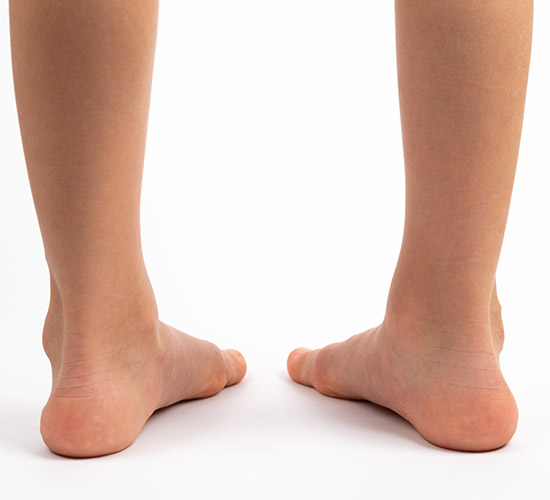
A podiatry assessment can help when there is persistent foot or leg pain, frequent tripping, toe walking, intoeing or out-toeing, concerns about flat feet, or noticeable differences between one side and the other.
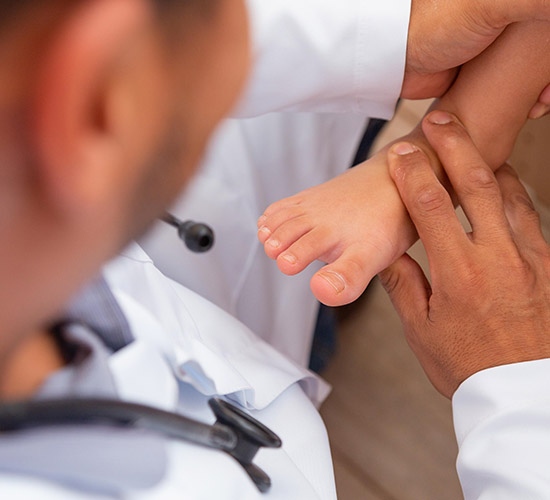
Our approach is to assess the child’s movement, joint range, muscle function, footwear and foot posture, then explain whether the finding is part of normal development, needs monitoring, or may benefit from treatment or referral.Children’s foot conditions we treat include:
Baby and Toddler Foot Development
Babies’ feet are still developing, so they generally need plenty of freedom to move. Socks and clothing should fit comfortably without restricting the toes, and structured shoes are not usually needed before a child is walking independently.
Once a child begins walking, footwear is mainly needed for protection outdoors. Indoors, barefoot activity or flexible footwear can allow natural movement and help with balance and strength.
If you notice persistent toe walking, marked asymmetry, unusual foot positioning, or your child seems uncomfortable when standing or walking, a podiatry assessment can help determine whether it is part of normal development or needs further attention.
Starting to Walk
Children begin walking at different ages, and there is a wide range of normal development. Walking should not be forced simply because another child has reached the milestone earlier.
When a child first starts walking, lightweight and flexible footwear is usually enough when protection is needed outdoors. Indoors, barefoot activity or flexible footwear can allow natural movement and help with balance and strength.
Growing Feet
Children’s feet grow quickly, so shoe size and fit should be checked regularly. Footwear should allow room for the toes to move, fit securely around the heel and match the natural shape of the child’s foot.
Foot posture and walking patterns also change as children grow. Flat-looking feet, intoeing, out-toeing and other variations can be part of normal development. A podiatry assessment is more useful when there is persistent pain, frequent tripping, noticeable asymmetry, difficulty keeping up with other children, or a walking pattern that is causing concern.
Children’s Sports and Foot Pain
Children who run, jump and play sport place increasing load through their growing feet and legs. Heel pain, ankle injuries and other overuse problems can occur, particularly during periods of rapid growth or when activity levels suddenly increase.
A podiatry assessment may be helpful if pain keeps returning, causes limping, limits sport or does not settle with rest and simple changes. Assessment can also include footwear, strength, mobility and movement patterns that may be contributing to the problem.
Advice for Parents
Children’s feet and walking patterns change as they grow. Intoeing, out-toeing, flat feet, bow legs and knock knees can all occur as part of normal development, and many improve naturally with age.
A podiatry assessment is more important when a problem is painful, getting worse, noticeably different on one side, causing frequent falls, limiting activity, or continuing beyond the age when it would usually be expected to improve.
If you are unsure whether what you are seeing is part of normal development, a podiatry assessment can help explain the findings and whether your child needs monitoring, treatment or referral.